

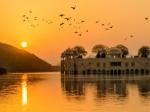
Jaipur, the capital city of Rajasthan, is a timeless blend of royal heritage, cultural vibrance, and architectural grandeur. Known as the Pink City, its distinctive buildings and historic palaces have made it one of India's most sought-after travel destinations. From majestic forts to bustling bazaars, Jaipur continues to enchant travelers with its authentic Rajasthani spirit. For travelers seeking an expertly curated itinerary through the region, a trusted Rajasthan tour operator can ensure a deeply immersive experience that captures the essence of Jaipur.
The Enduring Charm of the Pink City
Jaipur's identity is deeply rooted in its royal past. Founded in 1727 by Maharaja Sawai Jai Singh II, the city was meticulously planned using Vastu Shastra principles, making it one of India's earliest examples of urban design. The iconic pink hue of the buildings, introduced during Prince Albert's visit in 1876, remains a symbol of hospitality and continues to attract global attention. Today, the Pink City is not just a gateway to Rajasthan's grandeur but a standalone marvel that encapsulates royal heritage and modern culture.
Architectural Landmarks That Define Jaipur
Jaipur boasts a rich collection of palaces, forts, and temples that narrate the city's regal past. The City Palace stands at the heart of Jaipur, a majestic complex of courtyards, gardens, and royal residences that still house the descendants of the former rulers. Just a few minutes away, the Hawa Mahal, or Palace of Winds, captures the imagination with its intricate façade, originally designed for royal women to observe street festivities without being seen.
Amer Fort, located on the city's outskirts, is a UNESCO World Heritage Site that offers panoramic views of the Aravalli Hills. With its mirrored halls, elephant rides, and ornate gates, Amer Fort remains a key attraction on most Jaipur 3 days tours, offering both history and spectacle in equal measure.
Cultural Experiences Beyond Monuments
Jaipur's appeal extends beyond its architecture. The city offers vibrant cultural experiences—from traditional dance performances to craft workshops where visitors can witness artisans creating block-printed textiles and blue pottery. The Johari and Bapu Bazaars are treasure troves of handcrafted jewelry, leather goods, and Rajasthani textiles, making them essential stops for culture-curious travelers.
One of Jaipur's most authentic experiences is its cuisine. The local food reflects a combination of royal taste and rustic flavors. Dishes like dal baati churma, laal maas, and gatte ki sabzi are more than just meals—they are culinary traditions passed down through generations.
Day Trips and Heritage Trails
For those short on time yet eager to soak in Jaipur's soul, a Jaipur full day tour can be the perfect solution. These guided excursions typically include key landmarks like Jantar Mantar, a UNESCO World Heritage astronomical observatory, and the Albert Hall Museum, which showcases artifacts from Jaipur's royal legacy. The day tour also introduces visitors to lesser-known gems like the Panna Meena ka Kund stepwell and the charming village of Sanganer, known for its paper-making and textile work.
These experiences not only provide a well-rounded view of the city but also connect visitors to the living traditions of Rajasthan's heartland. They offer an opportunity to witness how centuries-old practices continue to thrive in a modern setting, adding depth to the traveler's journey.
Festivals and Seasonal Attractions
Timing a visit with one of Jaipur's many festivals can further elevate the experience. The Jaipur Literature Festival draws intellectuals and readers from around the world, while the Teej and Gangaur festivals fill the city streets with color, music, and devotion. During these events, the city transforms into a vibrant tableau of Rajasthani culture, offering visitors a deeper insight into local customs and community life.
Winter, from October to March, is considered the best time to visit Jaipur. The pleasant weather enhances the overall experience, making it easier to explore both indoor and outdoor attractions comfortably. During this season, the city's gardens and public spaces are especially inviting, providing serene settings for relaxation after a day of exploration.
Sustainable Tourism and Local Impact
As tourism in Jaipur continues to grow, many local initiatives are promoting responsible travel. Several heritage hotels and tour operators focus on sustainable practices, supporting local artisans and preserving historic architecture. Visitors are encouraged to engage with these efforts by choosing experiences that respect the city's culture and contribute to its economic sustainability.
By interacting with community-based programs, tourists can support local economies while gaining authentic insights into Jaipur's way of life. These efforts not only preserve Jaipur's unique identity but also enhance its appeal as a trustworthy and responsible travel destination.
Why Jaipur Remains Unforgettable
Jaipur's allure lies in its ability to offer something timeless and personal to every traveler. Whether you're drawn to royal palaces, spiritual sites, handcrafted souvenirs, or flavorful cuisine, the city wraps it all in a tapestry of rich storytelling and immersive experiences. Every lane, every monument, and every smile in Jaipur adds to the journey, leaving lasting impressions that go beyond typical sightseeing.
For those planning to uncover Rajasthan's regal heartbeat, Jaipur is not just a destination—it's a revelation. Its mix of historical depth, vibrant culture, and welcoming spirit ensures that the experience stays with you long after the journey ends.